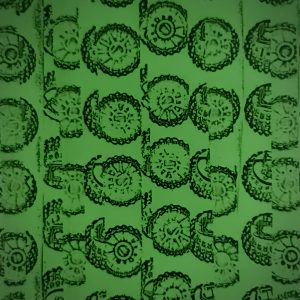
Photographed at the Whitney Museum in 2018 the image shows a print by artist Edward Meneeley from his series IBM drawings. The image is bright green and shows a component of a computer or maybe printer that is stamped across the page. You can find more information at The Whitney: https://whitney.org/collection/works/7225

Shortened links? Expand them and save the URLs

Shortened links are a digital preservation and web archiving nightmare. You can imagine how they need to work:

  1. Create a unique short code for a given (target) URL (like a hash, but far far shorter)
  2. Pair the short code with your URL in a database.
  3. Create a redirect rule on the URL shortening server from the new source URL to the target URL.
  4. Send the shortened link to the caller, e.g. shortURL.com/123badf00d
  5. In-perpetuity: continue to pay for your domain; maintain the database; look after redirect rules during server migrations; ensure duplicate short-codes are not created.

A URL-shortening business in five easy steps.

But what does that mean for digital preservation?

Loading

Crayola's 1997 Techno Brite crayon set with color names created to market the Crayola website, including names featured here such as World Wide Web Yellow, Point and Click Green, and Cyber Space Orange

Looking after your URLs: tikalinkextract eight years on

We might not have a second life, but what if I told you there was a second internet? Not the deep web, but another web that we engage with nearly every day?

Think about it, that QR code you scanned for more information? That payment link you followed on your electricity bill? The website you’re told to visit at the end of a television ad?

The antipodes of the internet are these terminal endpoints, material and not necessarily material objects that represent the end of the freely navigable web — the QR code on a concert poster is the web printed onto the physical world. There is every chance it will be scanned and followed by someone from a mobile device, but it’s a transient object, something that will exist for a short amount of time, and then disappear into the palimpsest of the poster board or wall it was pasted on until it eventually disappears.

This is part of the materiality of the internet that has long fascinated me. Perhaps it comes from being a student of material culture, but if we look around, we see the Internet everywhere!

Loading

Follow

Get every new post delivered to your Inbox

Join other followers: